1. There’s more to the outdoors than beaches and jungles
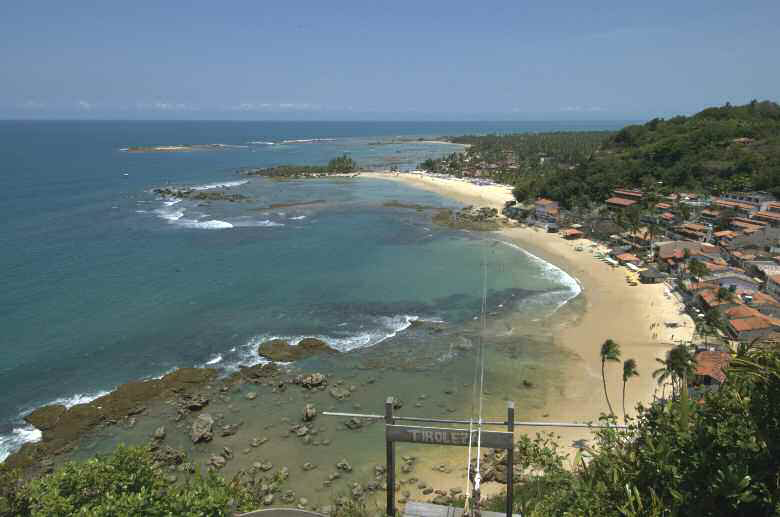
The energy of Copacabana Beach and the alluring biodiversity of the Amazon Rainforest may have captured the world’s attention, but that’s really the tip of the iceberg when it comes to Brazil’s natural beauty.
Adventurous nature lovers will find Brazil to be a treasure trove with a wealth of geographical diversity.
In the northeastern regions, you can explore the massive dunes and natural swimming pools in the states of Ceará and Maranhão, or venture to the landlocked state of Tocantins where a vast savannah is home to the remarkably unique park of Jalapão.
National parks like Chapada Diamantina and Chapada dos Veadeiros stun visitors with their mountain vistas and waterfalls, not to mention the staggering power of Iguaçu, one of the world’s largest waterfalls made up of over 200 cascades.
2. Brazil really is a cultural melting pot
The US is not the only country to lay claim to being a cultural stew. Brazilian culture melds together the customs and traditions of Indigenous, Afro-Brazilan and its many migrant communities.
In São Paulo, the neighborhood of Liberdade is home to a strong Japanese-Brazilian community; in southern states, you’ll notice the visible influence of German immigrants in the region’s cross-timbered houses.
Even the street food in Brazil has Lebanese and Italian roots, with kibbeh (fried bulgar wheat and meatballs) and pizza being some of the most popular late-night snacks among locals.
The national dish feijoada, originates from Afro-Brazilian and Indigenous communities who used cassava flour long before the arrival of Europeans in Brazil. This flour is a key ingredient for farofa (toasted cassava flour), the most popular side dish to have with your feijoada.
3. There are major cities to visit beyond Rio and São Paulo
While Rio de Janeiro boasts Brazil’s most iconic skyline and São Paulo is a mega-metropolis that hosts many of the country’s cultural and business institutions, these are hardly the only urban centers in Brazil worth visiting.
Architecture fans should plan a trip to the capital city of Brasilia, where the work of Brazilian architect Oscar Niemeyer takes center stage, while gastronomically inclined travelers should check out Belo Horizonte, the capital of Minas Gerais, a state renowned by Brazilians for its cuisine.
Up north, Salvador is the epicenter of Afro-Brazilian culture, which is the source of the martial art of capoeira and the birthplace of feijoada (a meaty bean stew), Brazil’s national dish.