
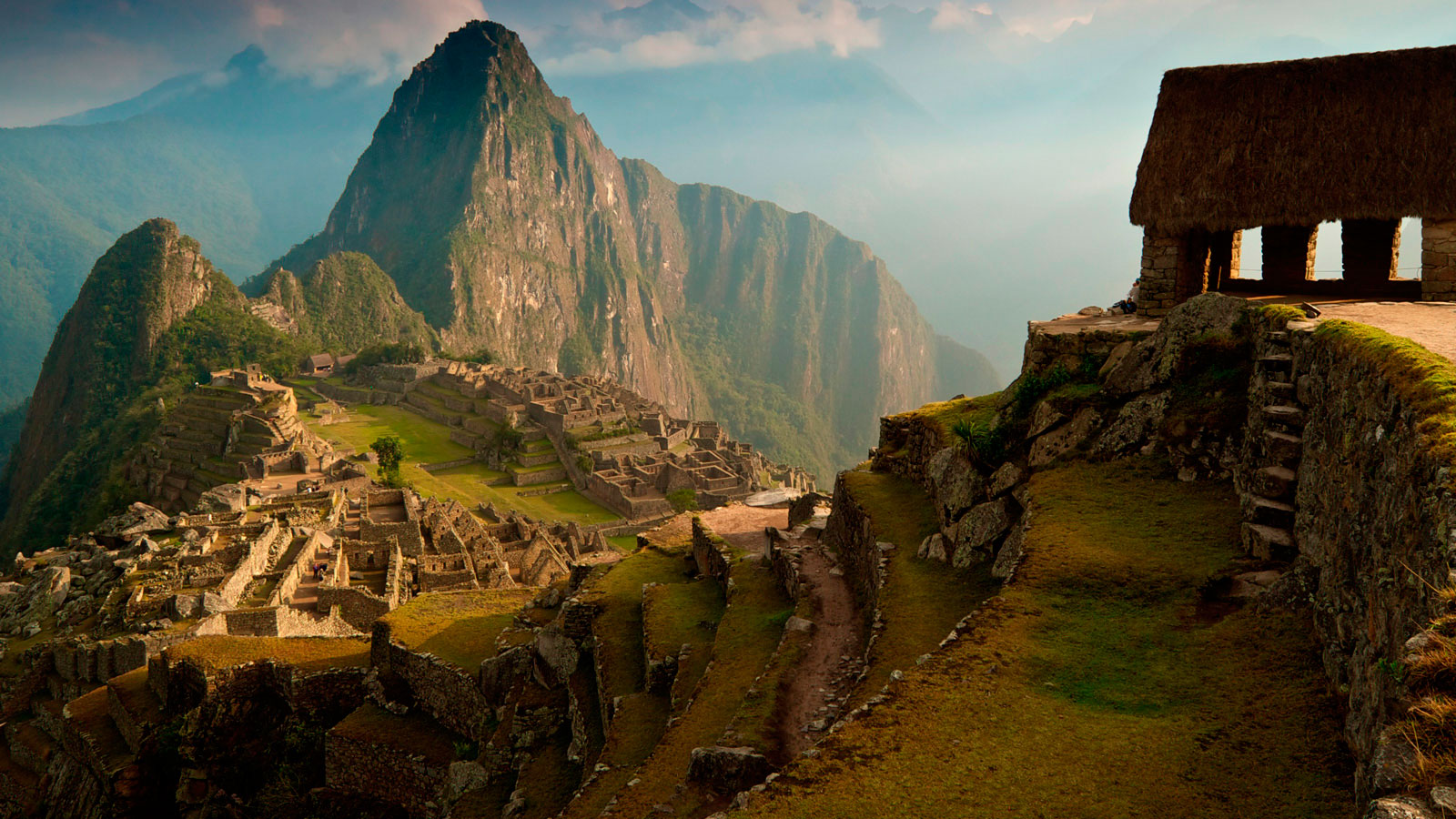

South Valley Tour: Tipon, Pikillaqta and Andahuaylillas Half Day
South Valley Tour: Tipon, Pikillaqta and Andahuaylillas Half Day: This tour is known for combining beautiful natural landscapes, Inca architecture in Tipon, architecture pre – Inca Wari in Pikillacta, visiting Andahuaylillas its beautiful chapel, known as the “Sistine Chapel of America”; not forgetting the tasty cuisine
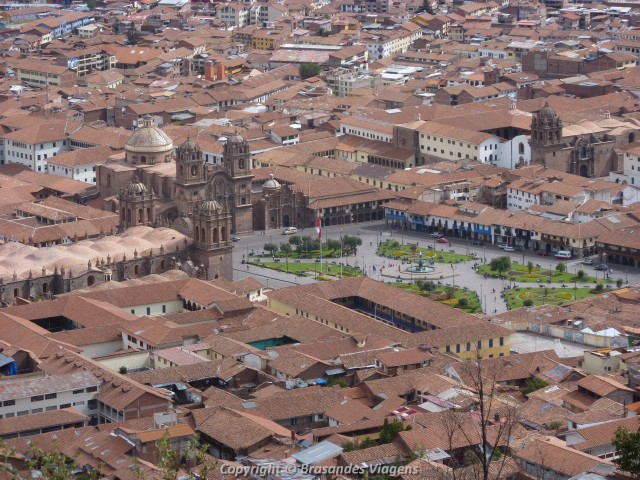
Cusco City and 4 Ruins Tour – Half day
Cusco City and 4 Ruins Tour - Half day: This fabuolous half day tour takes you around all the most important sites of Cusco. Including visits to Cusco's Cathedral, the Temple of the Sun (Qoricancha) and the various Inca sites found outside of the city you

Puno Travel and Tours Peru
Puno Tours, Travel and Adventures, Tourism in Peru, VISIT PUNO: The small port of Puno is departure point to make tours to Lake Titicaca’s various islands or to surrounding archaeological sites. The Puno town was founded on November 4, 1668, near the site of the colonial

Arequipa Travel and Tours Peru
Arequipa Tours, Travel and Adventures, Tourism in Peru: VISIT AREQUIPA - Arequipa known as the White City, is surrounded by some of the wildest terrain in Peru. This is a land of active snowy volcanoes, high-altitude deserts, thermal hot springs, salt lakes and, last but not

Lima Coast Biking Tour Half Day
Lima Biking Tour: Come to enjoy and discover Lima with us in the best and most exciting way. Our bike tours cover the most traditional and typical spots of this vibrant city, from the hands of our bilingual guides that will give you lots of advice
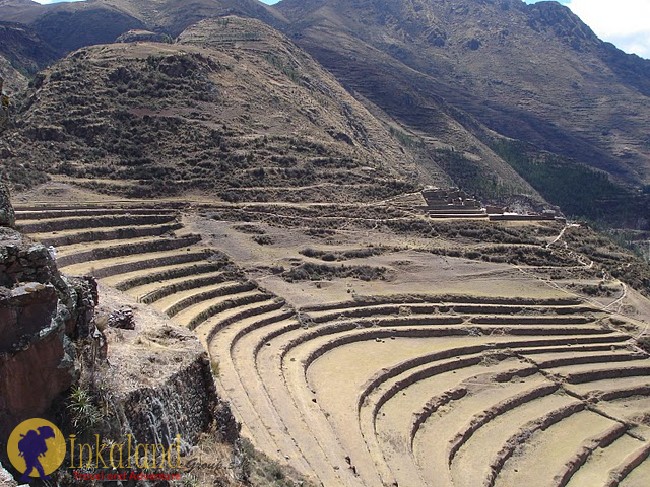
Full Day Sacred Valley of the Incas Tours in Cusco
The Sacred Valley tour is one of the most popular tours in the region. The Sacred Valley of the Incas was a crucial area for the Inca empire and it functioned as both an agricultural, spiritual and political center for them. Throughout its length there are

Trujillo Travel and Tours Peru
Trujillo Tours, Travel and Adventures
Tourism in Peru
VISIT TRUJILLO
Trujillo city is proximity to important ruins of Chimu, which is the world's largest city built out of adobe Chan-chan, also known as "City of the Moon" or "of the Long Walls". Other nearby ruins are the Moche ruins of Huaca del Sol, Huaca de la Luna, and El Brujo.

Trujillo tours: Citadel of Chan Chan, Temples of the Sun and of the Moon,El Brujo Archeological Complex.Back to top
TRUJILLO
The capital city of La Libertad is also called “the Capital City of the Marinera” because of its famous dance contests and skilled dancers –men and women of all ages with the rhythm of the dance pulsing in their veins–. Trujillo has plenty to offer for lovers of music, architecture and archeology.

Cuzco Travel and Tours Peru
Cuzco Tours, Travel and Adventures
Tourism in Peru
VISIT CUZCO
The ancient Inca capital's cobblestone streets house artisan shops, world-class restaurants and raucous discos.

Cuzco tours: Machu Picchu tours - Inca Trail trek - Sacred Valley - Salkantay - Cuzco Cultural.Back to top
Visit in Cuzco city:
• Main Square. When the Incas ruled Cusco, it was known as the Huacaypata, or “place of weeping or of meeting”, and was the backdrop to sacred ceremonies held there. It has likewise been the stage to several key historical events.
• The Cathedral. Built in the 16th century, this landmark is really three churches in one as well as a depository of valuable masterpieces – more than 1200 are on display -, ranging from gold leafed altars, a wood carved choir and a painting with an interesting interpretation of the Last Supper, where the artist included, among the food served, a Guinea pig, which is traditional meal of Cusco.
• Church of Our Lady of Mercy. This church is headquarters of the Order of Mercy (Mercedarians) in Peru. It is an excellent example of architecture coming out of the time when Peru was a Spanish viceroyalty. On its interior walls hang flawlessly restored paintings from the Cusco School. Yet, the highlight of it all is the pure-gold custody, studded with diamonds, rubies, pearls and other gemstones, which is said to be a replica of the one in the Cathedral of Toledo, Spain.
• Church of the Company of Jesus. A Jesuit church, located to one side of the Main Square. Inside are priceless works of art, delicate wood religious statues and uncommon places tucked away in corners of the building, like its underground chapel dedicated to praying for the dead, its sacristy and its aerial corridors that reach to the central cupola.
• Saint Dominic Convent. Build overtop the remains of the Incan Qoricancha, or Temple of the Sun, which according to the Incas was the exact center of the world. A tour of the place includes the remaining sections of the old Incan temple, royal apartments, three other minor temples (dedicated to the moon, the stars and the rainbow) and the circular tower, which is the signature of this landmark.
• San Blas, quarter and church. A charming section of town where Cusco’s artisans live and work. It used to be known as the Incan quarter of T’oqokachi. Visit the church there to see a nice collection of paintings.
• Archbishop Palace and the 12-angle stone. Built during the Colony on the palace foundations of one of the Incan Emperors, Inca Roca, and exhibiting definite Arabic influences, it is currently site of the Museum of Religious Art. Next to the Archbishop Palace on Hatunrumiyoc Street, is an ancient Incan wall, a famous example of the notable stone work of the Incas, who accomplished themselves in polishing and fitting together blocks of stone. This is the wall that contains the celebrated “Twelveangle” stone, famous for the perfect fit of each one of its corners.
• Larco Museum of Pre-Columbian Art. Another nice collection (450 works of art) are on display here, done between 1250 B.C. and 1532 A.D.
• Sacsayhuamán archeological complex: the Fortress, Qenko, Pukapukara, and Tambomachay. There are 33 archeological sites within this area, yet obviously the most important is Sacsayhuamán itself. Its name means “house of the sun”, and every June 24th, the Inti Raymi or Festival of the Sun is celebrated at this spot. Other sites include: 1) Qenko, which means “labyrinth”, that researchers believe was built around 1500 A.D. and may have been the center of sun, moon and star worship, 2) Pukapukara features chambers, inner plazas, aqueducts, stairways and trails and seems to have served as a tambo, or an inn, where the Incan Emperor might have stopped and rested for the night, and 3) Tambomachay, which some historians hypothesize that might have been a place for water worship and earth regeneration.
Cuzco tours: Machu Picchu tours - Inca Trail trek - Sacred Valley - Salkantay - Cuzco Cultural.Back to top

Cajamarca Travel and Tours Peru
Cajamarca Tours, Travel and Adventures
Tourism in Peru
VISIT CAJAMARCA
“Enjoy Cajamarca, a city dressed up in tradition, color and rustic charm.”
Travelers in search of lovely countryside or traces of history will undoubtedly find what they are looking for in this idyllic Andean setting.

Cajamarca tours: Ventanillas of Otuzco - Cumbemayo - Inca Hot springs - Porcón Farm - Celendín - Cutervo.Back to top

Chiclayo Travel and Tours Peru
Chiclayo Tours, Travel and Adventures
Tourism in Peru
VISIT CHICLAYO
“Visit Chiclayo and relive ancient legends of powerful lords who ruled kingdoms between the desert and the sea.”

Chiclayo tours:Sicán Museum, Huaca Rajada – Sipán, Royal Tombs of Sipán, Brünning Museum.Back to top
CHICLAYO
On the desert sands and in the midst of valleys, ancient civilizations built sacred pyramids. But it was not until 1987, the year of the discovery of the Lord of Sipán (the most grandiose tomb in the Americas), that the world took notice of the importance of these temple mounds, fallen from grace on the outside but hiding splendor in the inside: Sicán, Túcume and Chotuna, to name a few. As a result of the recovery, world class museums like the Royal Tombs of Sipán Museum, were built.